
Amber: history and essence
Amber: history and essence
Amber, a fossilized resin from extinct pine trees, has been prized since the Neolithic era as a jewelry, ornament, and mystical resource. Its distinctive orange hue, along with its rare variations in yellow, black, green, and blue, make it a truly unique material.
Cultures such as the Chinese associated it with the spirit of the tiger, while in Greece and Rome, it had ornamental and medicinal value. Although it does not directly produce essential oil, its aroma is recreated in perfumery through dry distillation, labdanum, ambergris, or carefully crafted synthetic compounds.
Additionally, amber oil, known for its anti-inflammatory and antiseptic properties, is a cornerstone of traditional medicine. This ancient treasure continues to captivate as a symbol of luxury and connection to nature.
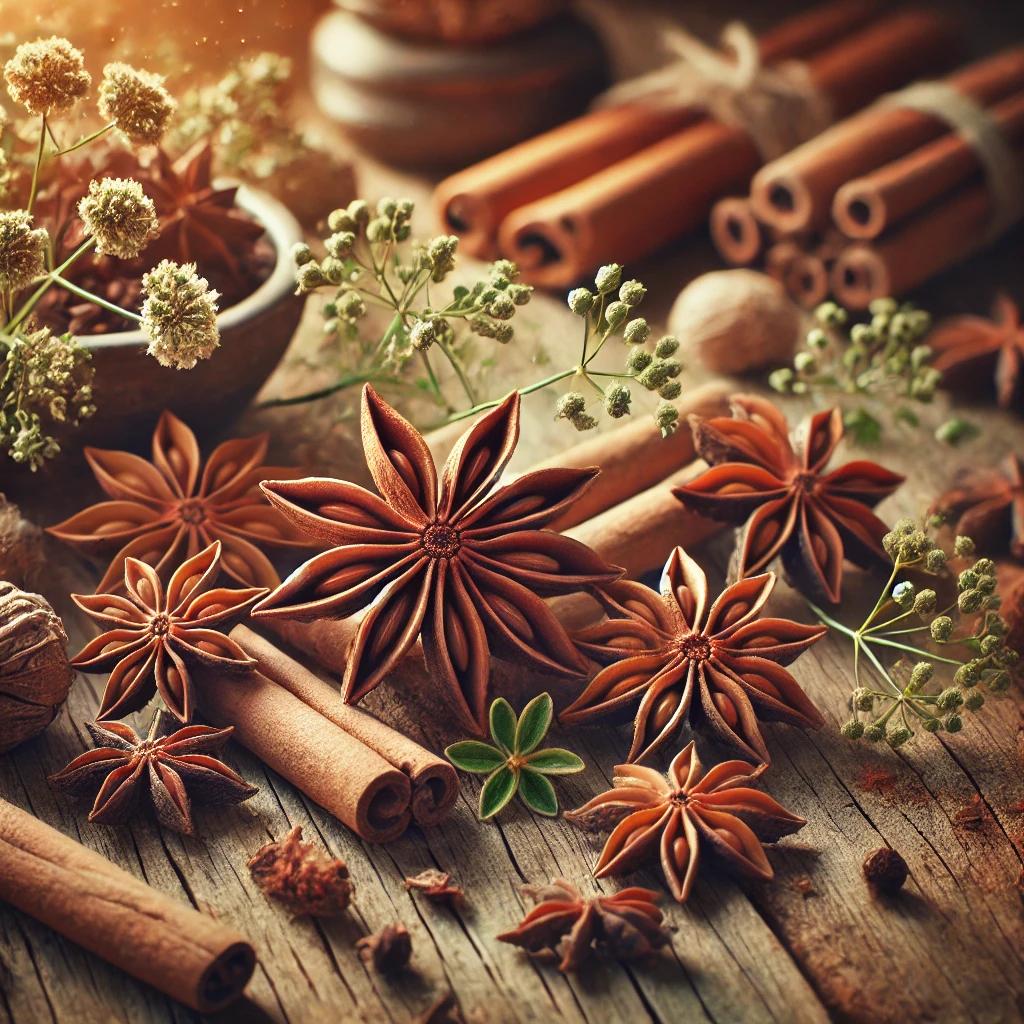
Anise Throughout history, anise has composed an olfactory symphony that captivates the senses and awakens the emotions. Native to the sunny lands of Europe and Asia, this aromatic gem reveals sweet and vibrant notes that resonate with the soul. Its essential oil, enriched with the melody of anethole, has played a leading role in remedies, perfumes, and elixirs that have marked the ages. Like a masterful culinary accord, anise harmonizes each dish, transporting us with its essence to distant and evocative landscapes where aroma becomes poetry for the spirit.
Family: Apiaceae, Genus: Pimpinella, Species: P. anisum
More descriptive translation:
Plant family: Apiaceae, Genus: Pimpinella, Species: P. anisum
Translation of the botanical nomenclature:
Botanical classification: Family Apiaceae, Genus Pimpinella, Species P. anisum
anise

Leave a comment
This site is protected by hCaptcha and the hCaptcha Privacy Policy and Terms of Service apply.